

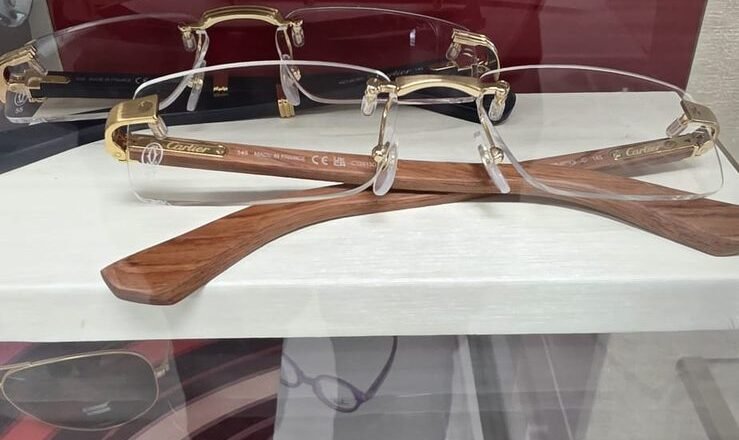
Both glasses and contact lenses can correct your vision. Which is better depends on your eyes, your habits and your comfort. Many people wear both.
Key takeaways
- Glasses are simple to care for; contacts offer a wider field of view for some activities.
- The FDA regulates contact lenses as medical devices, and you need a valid prescription to buy them.
- Contact lens wearers need to follow care steps, such as never rinsing or storing lenses in water.
- A contact lens fitting is a separate step from a glasses exam.
Comparing glasses and contacts
| Glasses | Contact lenses | |
|---|---|---|
| Care | Simple cleaning | Daily care and a replacement schedule |
| Comfort | Sit on the nose and ears | Sit on the eye; often comfortable once properly fitted |
| Sports and activities | Frames can slip or fog | Often preferred by active wearers |
| Eye health | Low risk | Need good hygiene; infection risk is real if misused |
| Exam needed | Eye exam and prescription | Eye exam plus a contact lens fitting |
Eye health and safety with contacts
The CDC calls contact lenses medical devices that are not risk-free, and says poor care can increase the risk of eye infections. Healthy habits include washing your hands with soap and water before handling lenses, avoiding sleeping in lenses unless your doctor directs you to, removing them before swimming or showering, and using fresh solution for storage and never water.
The FDA adds that you can buy contact lenses only with a current, valid prescription.
Who tends to prefer glasses?
- People with sensitive or dry eyes
- Anyone who prefers a low-maintenance routine
- People who forget a daily care routine
Who tends to prefer contacts?
- Active people who want a wider field of view
- People who want to wear sunglasses without a prescription pair
- Anyone who simply likes the look and feel
The best option may be both
Many people wear contacts most days and keep up-to-date glasses as a backup, for days when their eyes are tired or irritated. Having a spare pair of eyeglasses is also helpful.
Next steps
Start with a comprehensive eye exam. If you want contacts, your doctor will perform a fitting. See our contact lens fittings page for what the fitting involves.
Frequently asked questions
Can I wear contacts if I have astigmatism?
Often yes. Your doctor can discuss lens types designed for astigmatism.
Can I sleep in my contacts?
Only if your eye doctor has specifically approved extended-wear lenses for you. The CDC recommends avoiding sleeping in lenses unless directed by your eye care provider.
Visit Reel Optics in Old Bridge
If you would like help, our team in Old Bridge is here. You can book an eye exam or ask about contact lens fitting at Reel Optics Vision Center, 2553 County Rd 516, Old Bridge, NJ 08857. Appointments are recommended for eye exams, and walk-ins are welcome when you are shopping for glasses. See hours and directions on our Old Bridge page, or send us a message.
Related reading
Sources and further reading
- CDC: Preventing eye infections when wearing contacts
- U.S. Food and Drug Administration: Contact lenses
- American Academy of Ophthalmology: Contact lenses for vision correction
- American Academy of Ophthalmology: Eyeglasses, how to choose glasses for vision correction
This article is general information, not medical advice and not a diagnosis. For questions about your own eyes, talk with your eye doctor.
