

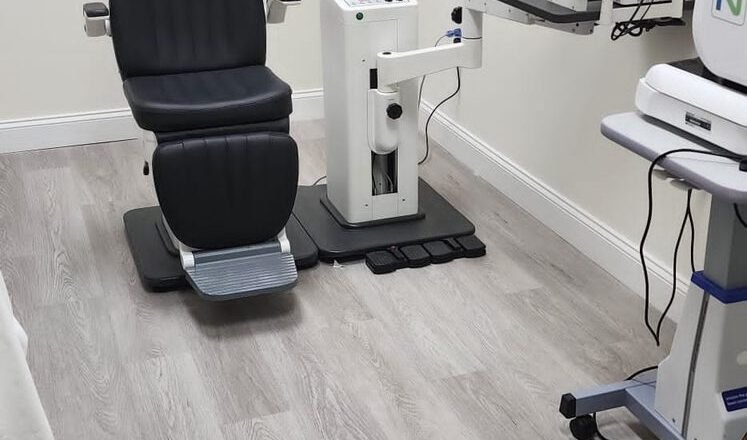
Many people only book an eye exam when something feels wrong, or when their glasses stop working. But a comprehensive eye exam does more than update a prescription: it also checks the health of your eyes. So how often should you go?
There is no single answer for everyone. Many eye doctors recommend a yearly exam, and some adults with no risk factors may be able to go every two years. Your own schedule depends on your age, your health, and whether you wear glasses or contacts.
Key takeaways
- The American Optometric Association (AOA) 2023 guideline recommends comprehensive eye exams every year for adults 18 through 64, and its patient guidance has also listed at least every two years for adults with no risk factors.
- For people 65 and older, the AOA recommends an exam every year.
- For children, the AOA lists an exam at 6 to 12 months, at least once between ages 3 and 5, before first grade, and then every year.
- Contact lens wearers should see their eye doctor yearly or as recommended, according to the CDC.
- Many eye diseases have no early symptoms, so waiting for a problem can mean missing one.
Eye exam frequency by age
The AOA lists the following schedule on its comprehensive eye exam page. Your doctor may recommend something different based on your history.
| Age group | Suggested comprehensive exam |
|---|---|
| Birth to 2 years | At 6 to 12 months of age |
| 3 to 5 years | At least once between ages 3 and 5 |
| 6 to 17 years | Before first grade, then every year |
| 18 to 64 years | Every year per the 2023 AOA guideline; the AOA patient page has listed at least every two years when there are no risk factors |
| 65 and older | Every year |
Babies, toddlers and preschoolers
Young children cannot always tell you that something is wrong with their vision, because they assume everyone sees the way they do. That is why the AOA recommends early exams even when a child seems fine. Our guide to what to expect at an eye exam explains how a visit works.
School-age children and teens
Clear vision matters for reading, screens and sports. The AOA describes signs such as frequent headaches, eye rubbing, avoiding reading, and losing your place on the page in its school-aged vision guide.
Adults
Adults can develop changes in focusing, dryness or eye health with no obvious warning. A regular exam gives your doctor a baseline and helps catch changes early.
When you may need exams more often
Your eye doctor may suggest a shorter interval if any of these apply to you:
- You wear contact lenses. Contact lenses need regular follow-up, and the CDC advises seeing your eye care provider yearly or as recommended.
- You have a health condition such as diabetes or high blood pressure.
- Eye disease runs in your family.
- You take medications that can affect your eyes.
- Your prescription has been changing, or your job puts heavy demands on your eyes.
What if it has been a long time?
Do not wait for the next appointment slot to feel convenient. If you cannot remember your last exam, schedule one. If you notice sudden changes, eye pain, new flashes of light or a sudden increase in floaters, contact a doctor right away. The American Academy of Ophthalmology lists signs that need prompt attention.
Frequently asked questions
Do I need an eye exam if I can see fine?
Yes, it can still be worthwhile. The National Eye Institute notes that many eye diseases have no symptoms or warning signs, so you could have a problem and not know it. A comprehensive exam checks both how well you see and how healthy your eyes are.
Does vision insurance cover a yearly exam?
It depends on your plan. Many plans cover an exam once every 12 or 24 months, so check your benefits first. Our guide to using your vision insurance benefits explains what to look up, and our vision insurance page covers how to check with us.
Visit Reel Optics in Old Bridge
If you would like help, our team in Old Bridge is here. You can book an eye exam or ask about eye exam at Reel Optics Vision Center, 2553 County Rd 516, Old Bridge, NJ 08857. Appointments are recommended for eye exams, and walk-ins are welcome when you are shopping for glasses. See hours and directions on our Old Bridge page, or send us a message.
Related reading
Sources and further reading
- American Optometric Association: Comprehensive eye exams
- American Optometric Association: 2023 adult eye exam guideline announcement
- American Optometric Association: School-aged vision, 6 to 18 years
- CDC: Preventing eye infections when wearing contacts
- National Eye Institute: Get a dilated eye exam
- American Academy of Ophthalmology: Signs you may need an eye exam right away
This article is general information, not medical advice and not a diagnosis. For questions about your own eyes, talk with your eye doctor.
