

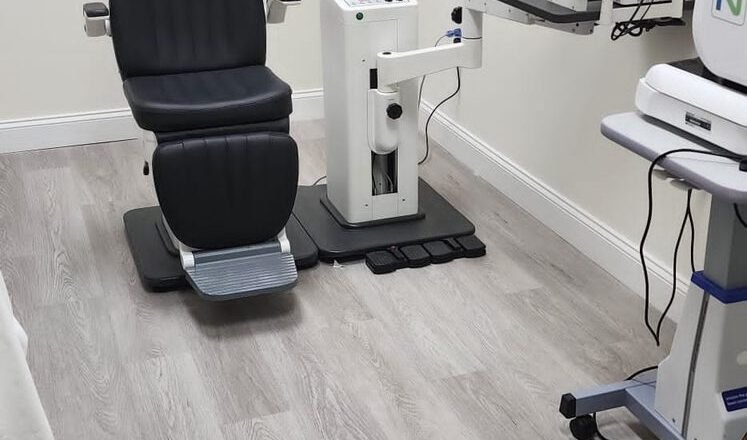
If it has been a while since your last eye exam, it helps to know what the visit involves. A comprehensive eye exam does two jobs: it measures how well you see so you can get the right prescription, and it checks the health of your eyes.
Key takeaways
- Bring your glasses or contacts, a medication list and your insurance card.
- A typical exam can include vision tests, an eye movement check, a pupil check, an eye pressure test and dilation.
- The National Eye Institute says your vision may be blurry and light-sensitive for a few hours after dilation.
- Eye exams at Reel Optics are with Dr. Kenneth D. Manning, O.D.
Before you come in
- Your current glasses and, if you wear them, your contact lenses or the box they came in.
- A list of the medications you take and any health conditions, such as diabetes or high blood pressure.
- Your vision or medical insurance card. Benefits vary by plan, so it is worth checking how your plan applies. and reading how to use your vision insurance benefits.
- Your questions. Write them down so you remember them in the exam room.
What happens during the exam
Every exam is a little different. The National Eye Institute describes the parts of a dilated eye exam:
- Your history. The doctor asks about your vision, any headaches or eye strain, your health and your daily routine.
- Visual acuity. You read letters at distance and up close.
- Side vision and eye movement. Tests check your peripheral vision and the muscles that move your eyes.
- Pupil response. A small light checks how your pupils react.
- Eye pressure. A quick test measures pressure in your eye, using a puff of air or a gentle touch with a special tool.
- Dilation. Drops widen your pupils so the doctor can see inside your eye.
Not every visit includes every step. Your doctor will explain what is right for you.
After the exam
The NEI says your close-up vision may be blurry and you may be sensitive to light for a few hours after a dilated exam. It suggests bringing sunglasses and asking a friend or family member to drive you home. If you need a prescription, you can choose your frames and lenses right away. Our team cuts and fits eyeglasses in our Old Bridge lab, and you can ask about a contact lens fitting, which is a separate step from a glasses exam.
How often should you have an eye exam?
It depends on your age, your health and whether you wear glasses or contacts. Your eye doctor can tell you what is right for you.
When not to wait for a routine visit
If you notice sudden changes in your vision, eye pain, new flashes of light or a sudden increase in floaters, contact a doctor or seek urgent care right away instead of waiting for a regular appointment. The American Academy of Ophthalmology lists warning signs.
Frequently asked questions
Does a dilated exam hurt?
The NEI says the exam is simple and painless. The drops may sting briefly.
Can I walk in?
Appointments are recommended for eye exams. Walk-ins are welcome when you are shopping for glasses.
Visit Reel Optics in Old Bridge
Eye exams at Reel Optics are with Dr. Kenneth D. Manning, O.D., a New Jersey licensed optometrist, and appointments are recommended. See hours and directions on our Old Bridge page, or send us a message.
Related reading
Sources and further reading
- National Eye Institute: Get a dilated eye exam
- American Optometric Association: Comprehensive eye exams
- American Academy of Ophthalmology: Signs you may need an eye exam right away
This article is general information, not medical advice and not a diagnosis. For questions about your own eyes, talk with your eye doctor.
